




Send Message
Privacy statement: Your privacy is very important to Us. Our company promises not to disclose your personal information to any external company with out your explicit permission.

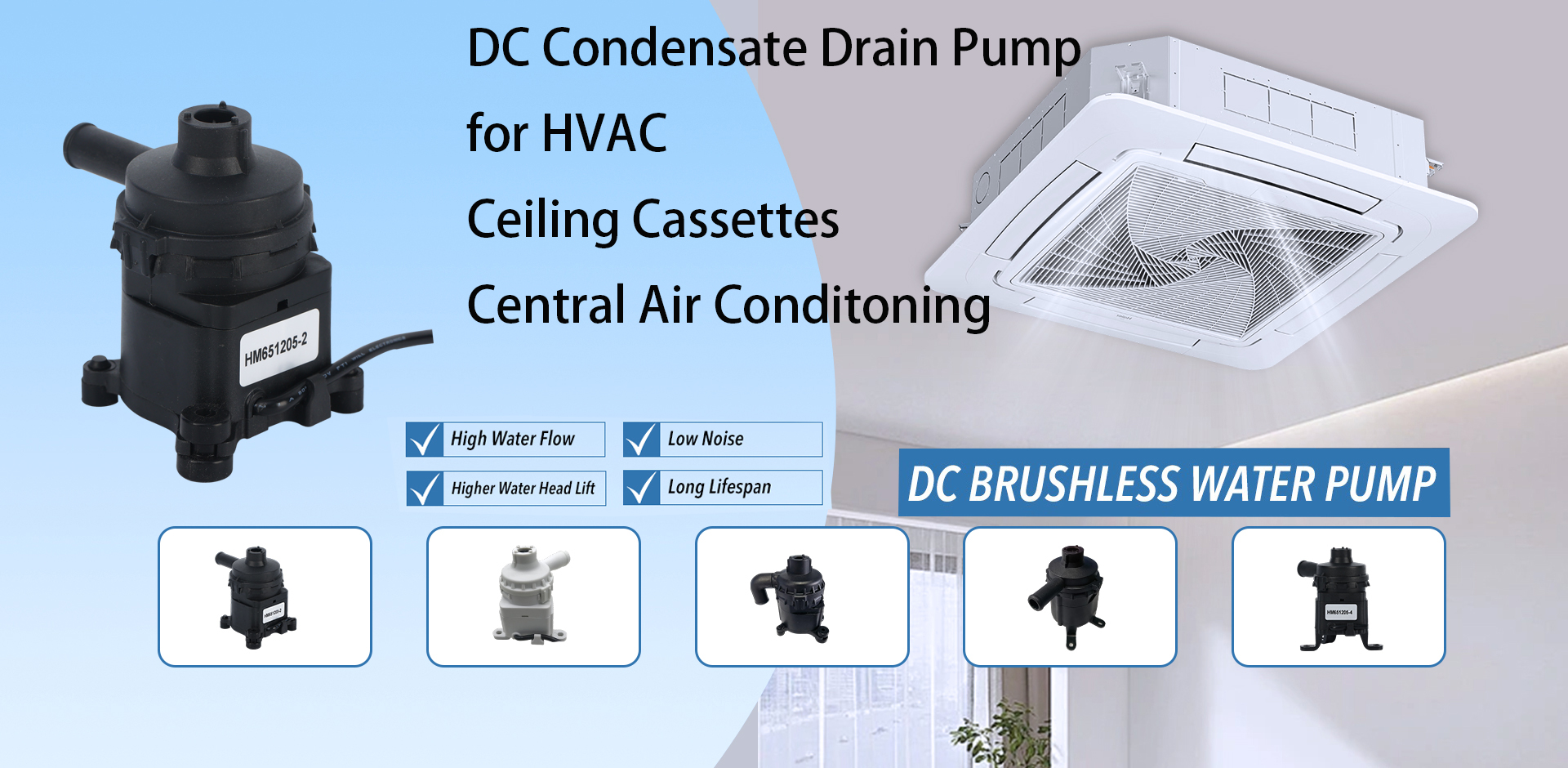
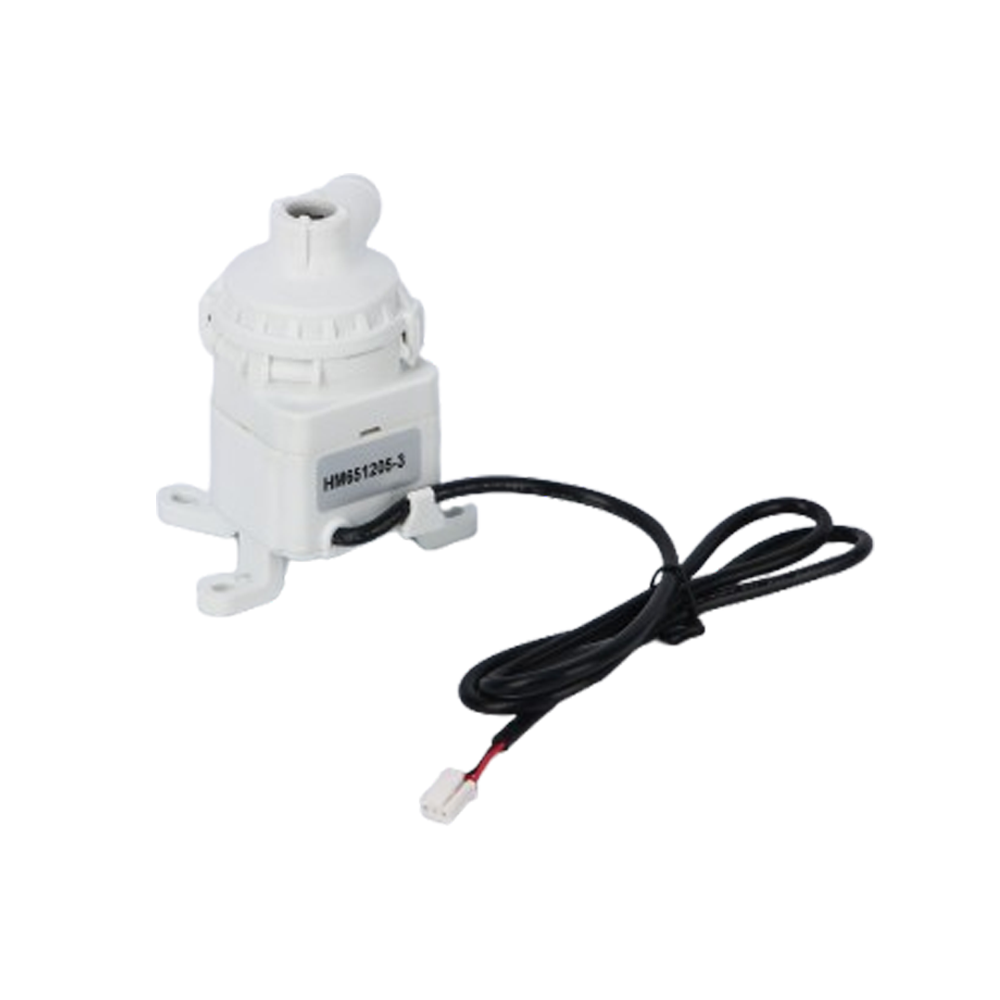
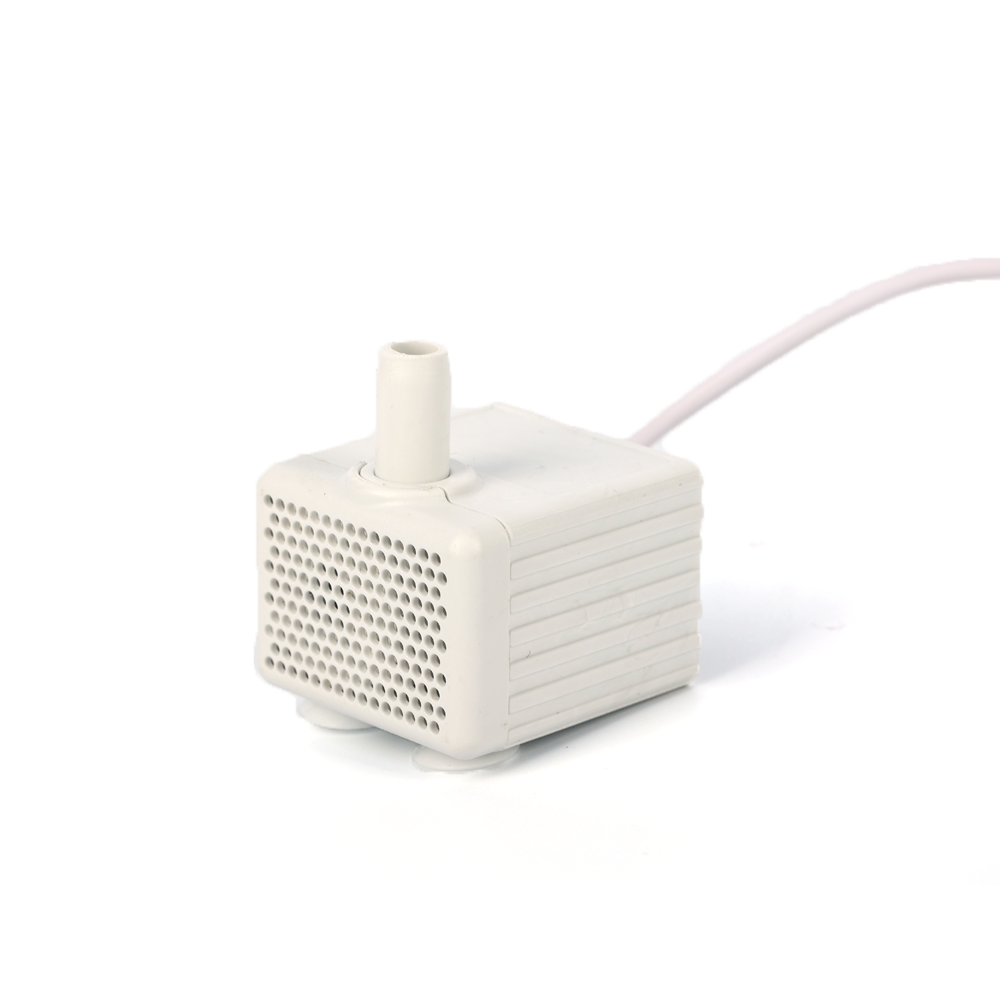
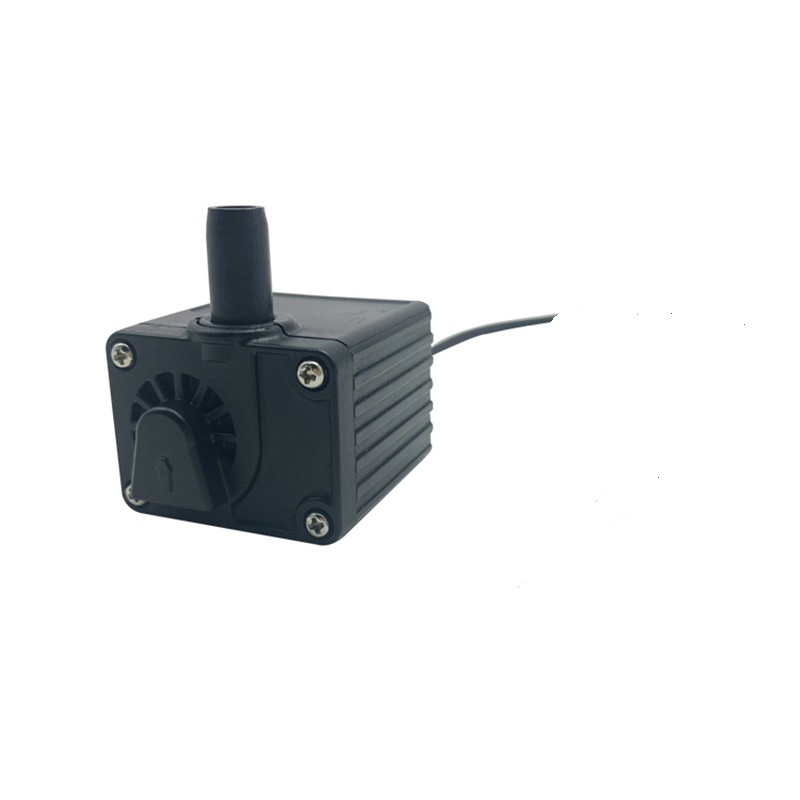
During cooling operation, water vapor in the indoor air condenses on the surface of the low-temperature evaporator and drips into the drain pan at the bottom of the unit. Since ceiling cassette units are installed suspended above the ceiling, their position is usually higher than the drainage pipe. Therefore, they cannot rely entirely on gravity for natural drainage, and a drain pump is required to forcibly discharge the condensate.
Condensate Accumulation: As the air conditioner runs, condensate continuously forms on the evaporator surface and flows into the drain pan.
Water Level Detection by Float Switch: A float switch (liquid level sensor) is installed inside the drain pan. When the water rises to a set height, the float moves up and triggers a signal to the control circuit.
Pump Activation for Drainage: Upon receiving the signal, the control circuit starts the drain pump motor. The motor drives the impeller to rotate at high speed, using centrifugal force to extract the water from the drain pan, lifting it upwards through the drainage pipe, and discharging it.
Stopping After Water Level Drops: When the water drops to a certain level, the float falls back, the control circuit cuts off the power to the pump, and the pump stops running.
Continuous Cycle: This process repeats constantly to ensure that excessive water does not accumulate in the drain pan.
Safety Protection Mechanism
The drain pump system is typically equipped with an ultra-high water level alarm protection. If the drain pump fails or the drainage pipe gets blocked, causing the water level to continuously rise to a dangerous height, the float switch will trigger an alarm signal. The indoor unit will then automatically shut down to prevent condensate overflow and potential ceiling damage.
Key Advantages of the Drain Pump
Saves Ceiling Height: It doesn't rely on gravity slope for drainage, reducing the suspended ceiling thickness by more than 10 cm and avoiding a cramped feeling.
Smoother Drainage: The water remains in motion within the pipe, making it less likely for impurities to settle, which reduces pipe blockages and odor issues.
Dual Protection: The linkage between the drain pump and the float switch effectively prevents the risk of leaks and ceiling damage.
Main Components
Motor: Provides power (commonly DC brushless motors or single-phase shaded-pole motors).
Impeller and Pump Housing: Achieves drainage through centrifugal force.
Float Switch: Detects the water level and controls the start/stop function.
Anti-siphon Ring / Check Valve: Prevents water from flowing back and impacting the motor when the pump stops.
Seals: Prevent internal leakage within the pump housing.

September 20, 2026
September 24, 2026
Advantages of Hai Mi Micro Brushless DC Water Pumps over AC Pumps
September 20, 2026
Privacy statement: Your privacy is very important to Us. Our company promises not to disclose your personal information to any external company with out your explicit permission.