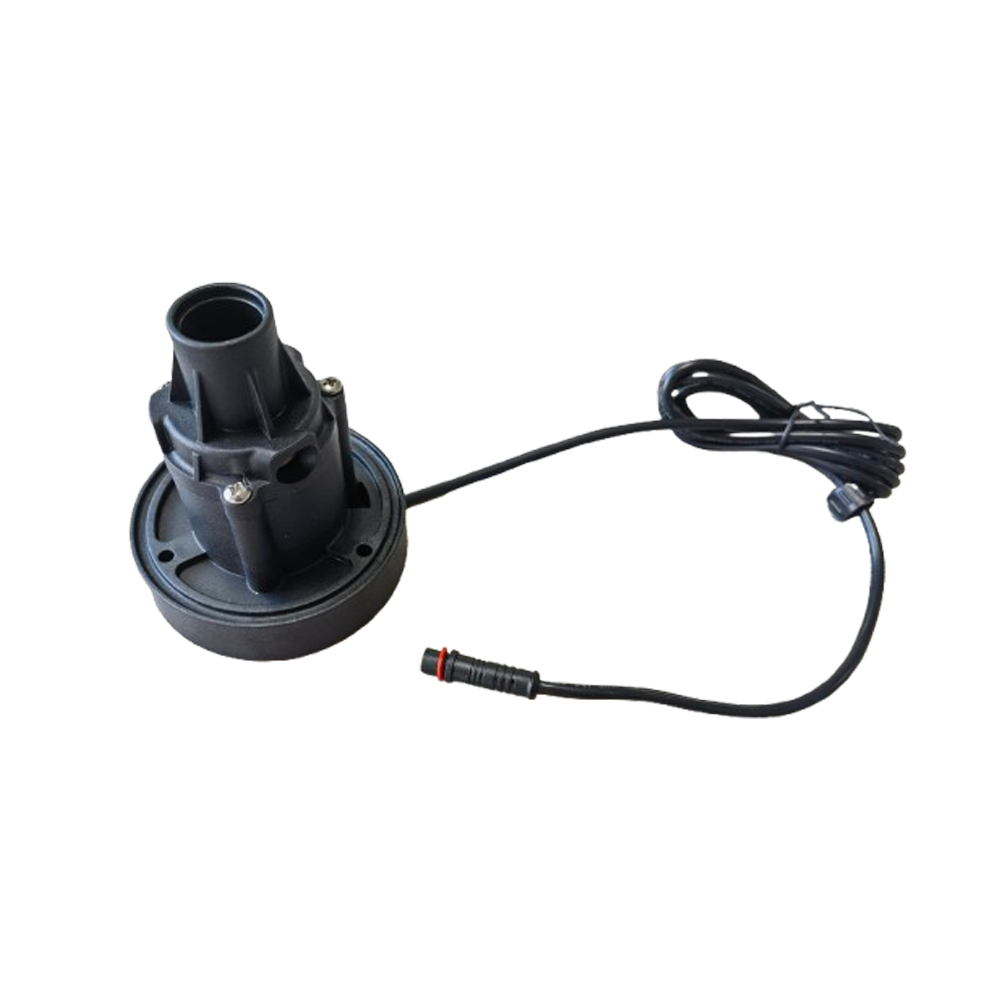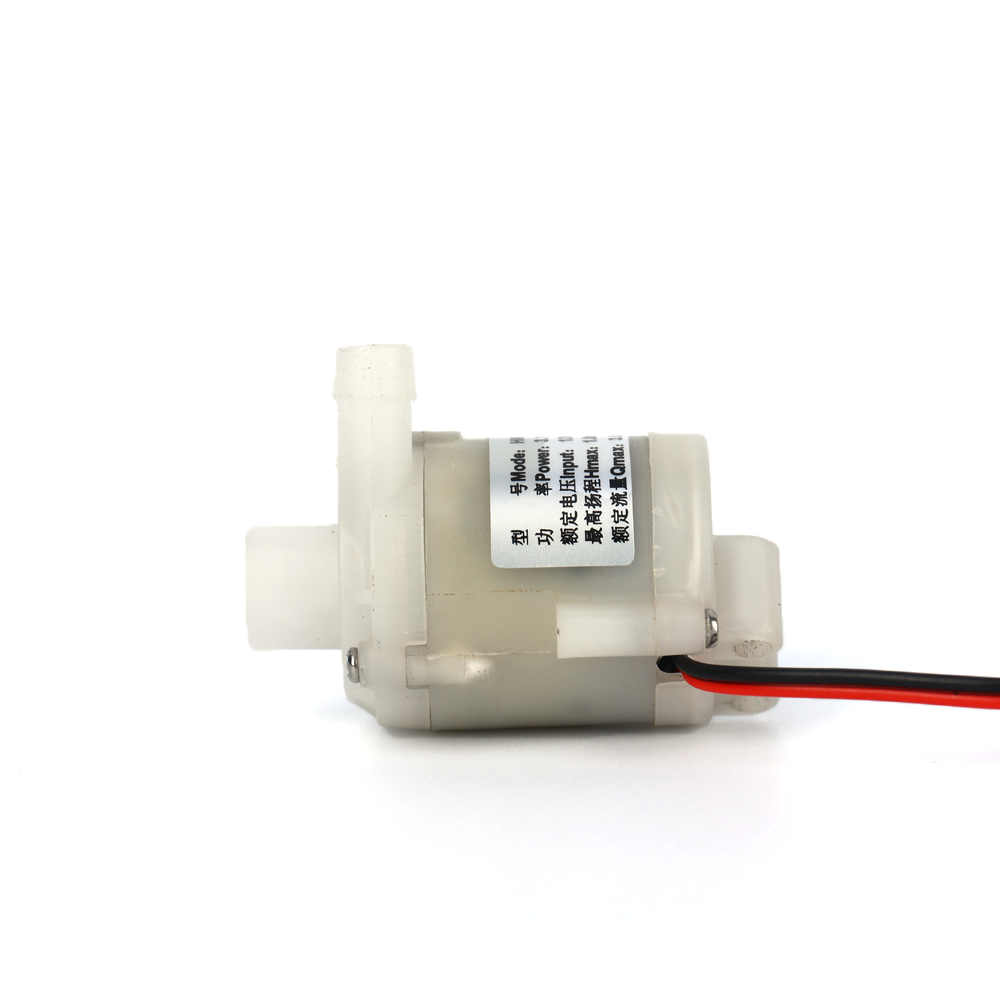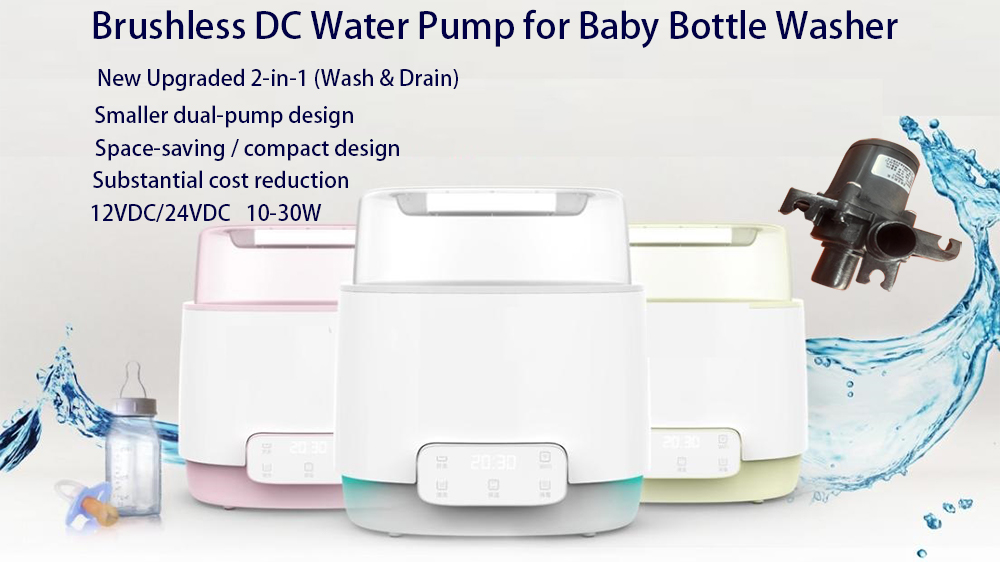
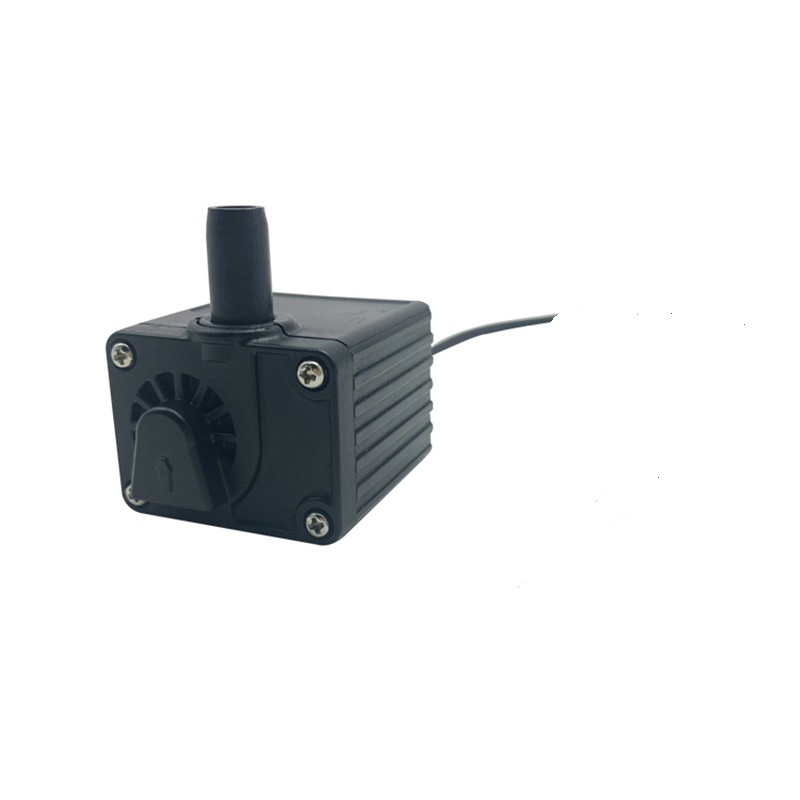
In vehicles, water circulation is one of those things you don’t really notice until it goes wrong. Whether it’s cooling the system or helping with heating, the pump is always there in the background, moving liquid from one place to another. If that flow isn’t steady, the whole system starts to feel off. That’s why many automotive projects now rely on a Car Electric Water Pump instead of older mechanical solutions.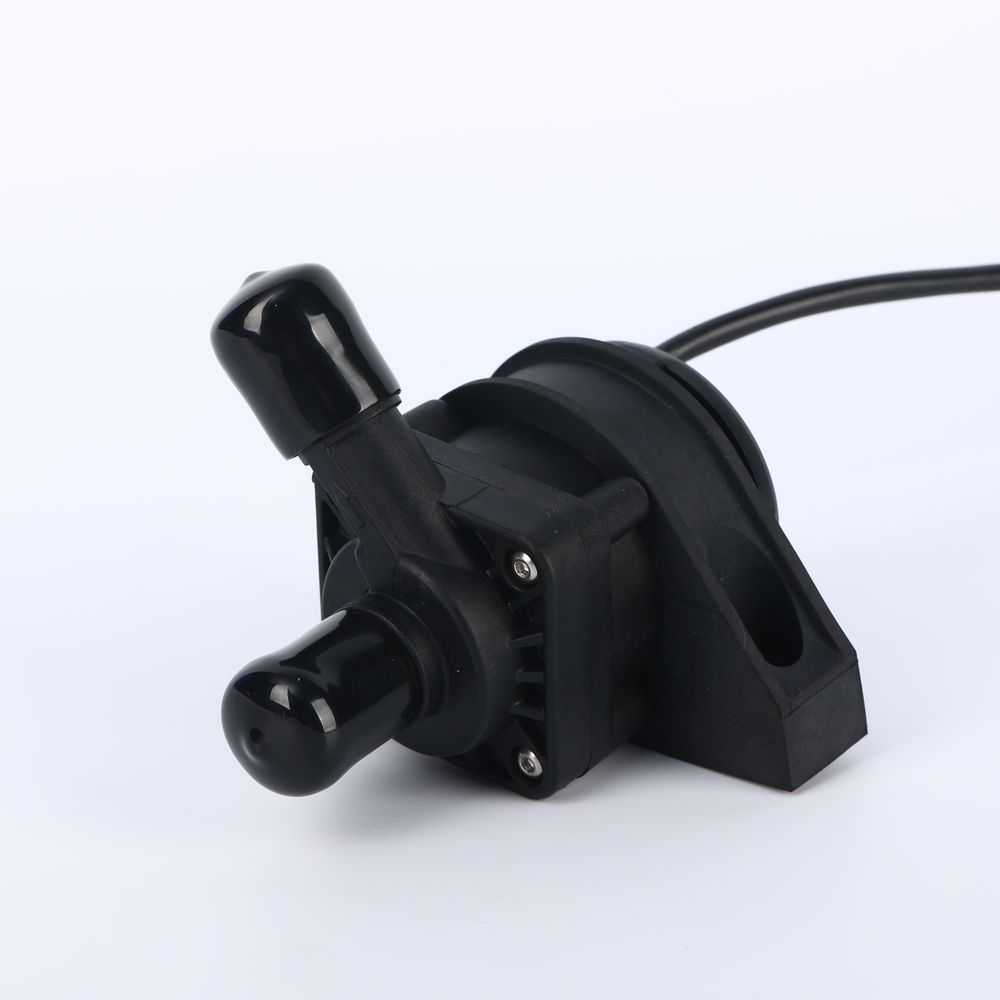
You’ll find these pumps working in cooling loops, battery thermal control, cabin heating systems, and even auxiliary circulation paths. The main job is simple: keep the water moving at the right speed. Not too fast, not too slow. A smooth flow helps control temperature and reduces stress on other parts. Once the pump starts, it should keep running the same way no matter how long the drive is.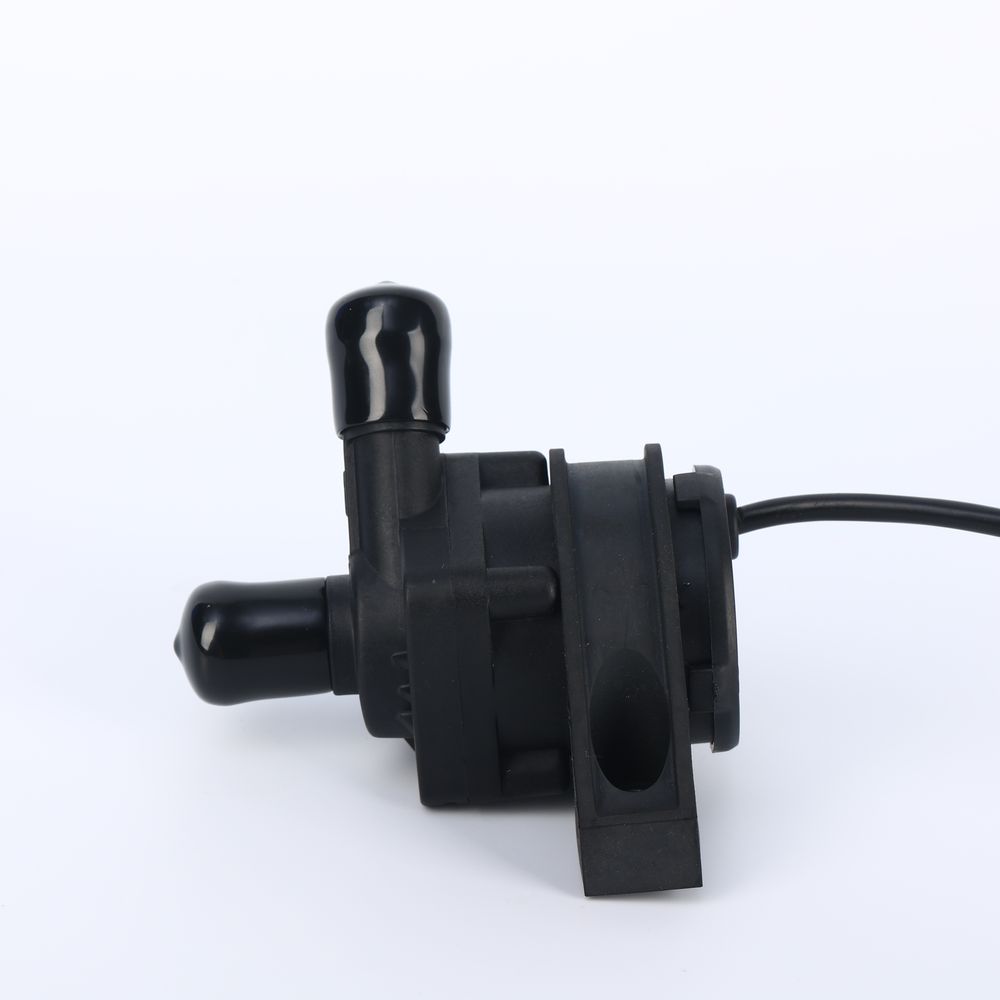
Voltage choice usually depends on the vehicle platform. A 12v dc water pump is common in many passenger cars and light systems, while higher voltage setups are used when more flow or longer duty cycles are needed. What matters most is that the pump responds well to control signals and doesn’t fluctuate when conditions change. Stable behavior makes the whole system easier to manage.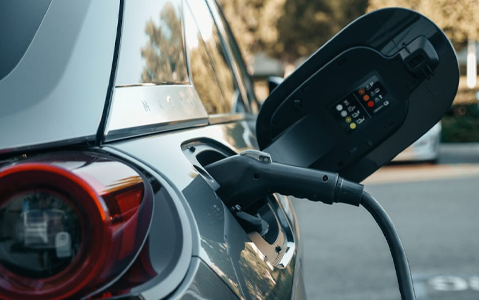
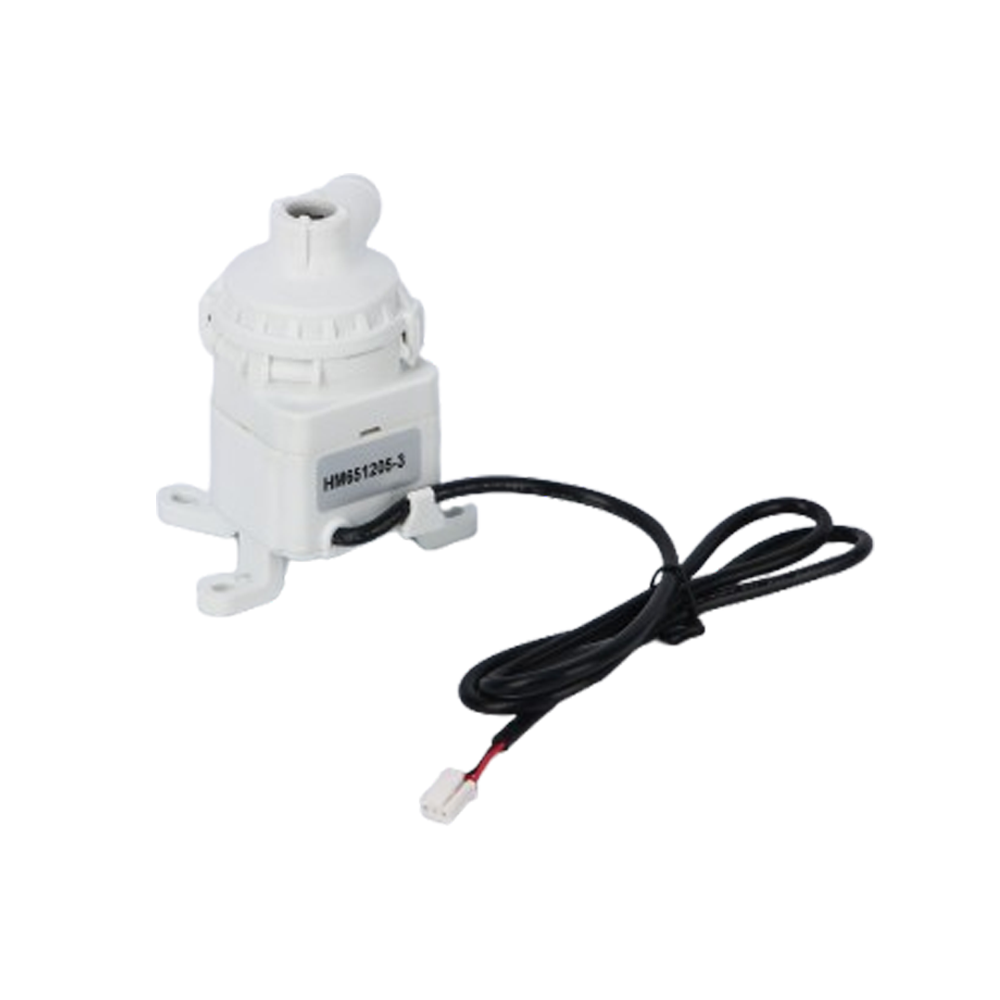
In circulation systems, layout space is always limited. Hoses bend around frames, components sit close together, and every millimeter counts. A compact pump design makes installation simpler and keeps the system tidy. This is especially important in electric and hybrid vehicles, where cooling paths are more complex than before.
Many customers also care about long-term use. Vehicles don’t run for minutes. They run for years. A good Automotive Circulation Pump should handle daily starts, temperature changes, and long operating hours without becoming a weak point. When the pump stays quiet and dependable, drivers never think about it, and that’s exactly the goal.
From our experience, most vehicle projects start with one question: will it keep the system stable over time? If the answer is yes, everything else falls into place.

September 20, 2026