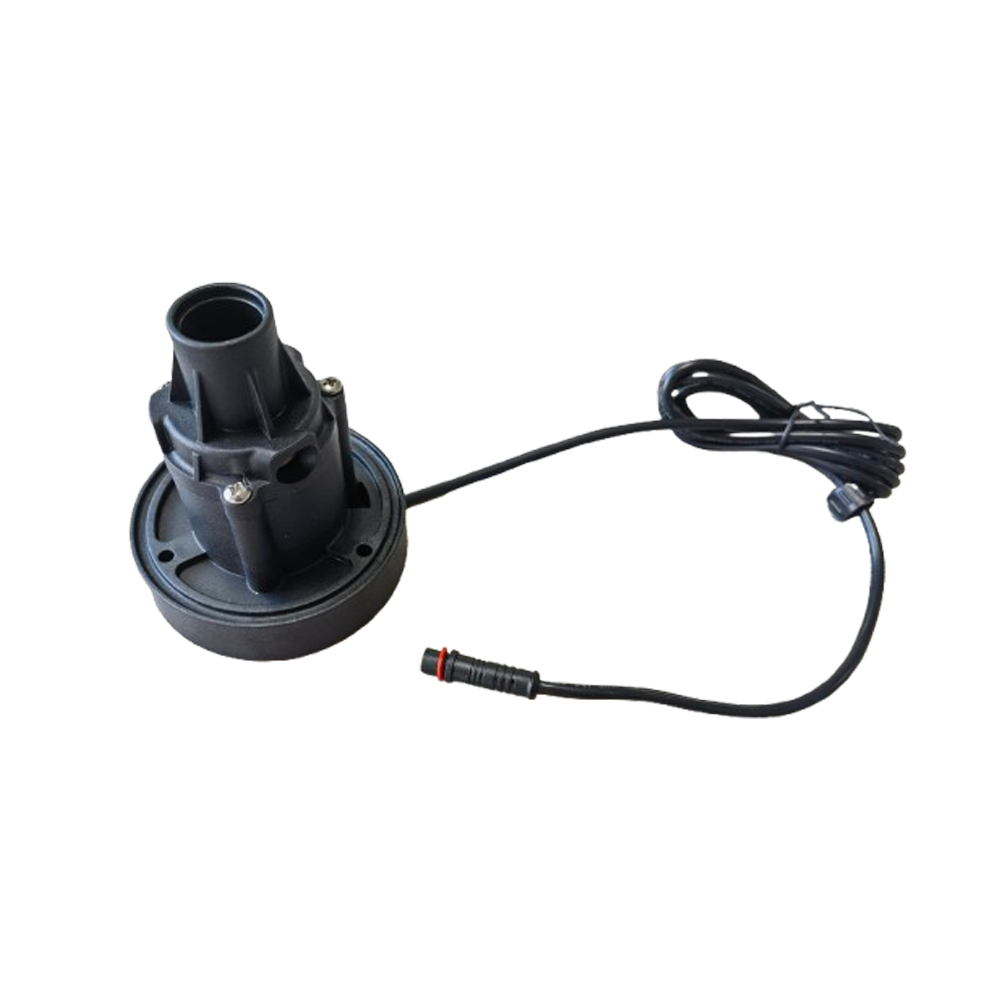
When it comes to medical equipment, people usually don’t talk about pumps first, but inside many devices, the pump is doing the heavy lifting quietly. In this field, there’s no room for unstable flow or sudden stops. A Medical water pump needs to run smoothly from start to finish, because even small changes can affect how the device performs.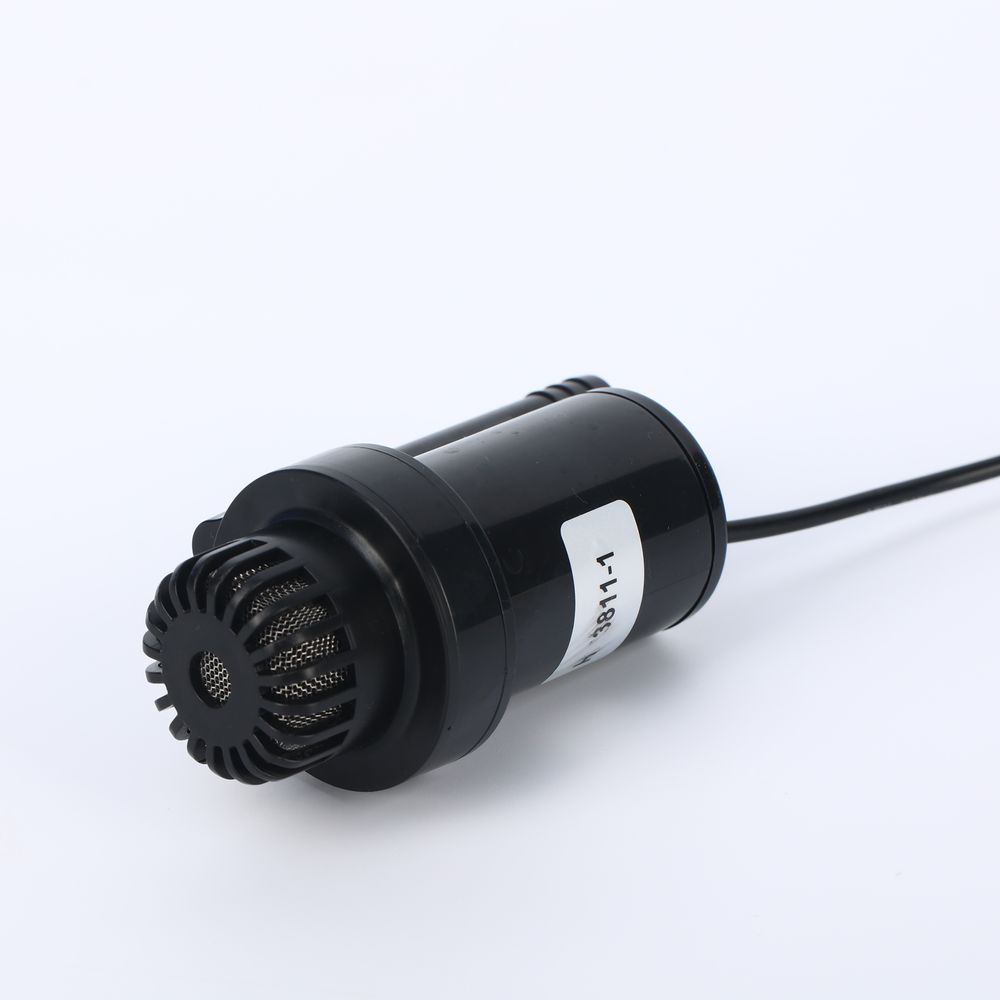
You’ll often find these pumps inside therapy equipment, lab instruments, and compact medical systems where liquid needs to move at a controlled pace. Think of circulation units, cooling paths, or fluid transfer inside diagnostic machines. The pump doesn’t need to be powerful in a noisy way. What really matters is steady output and predictable behavior. That’s why many medical device makers prefer DC solutions instead of traditional pumps.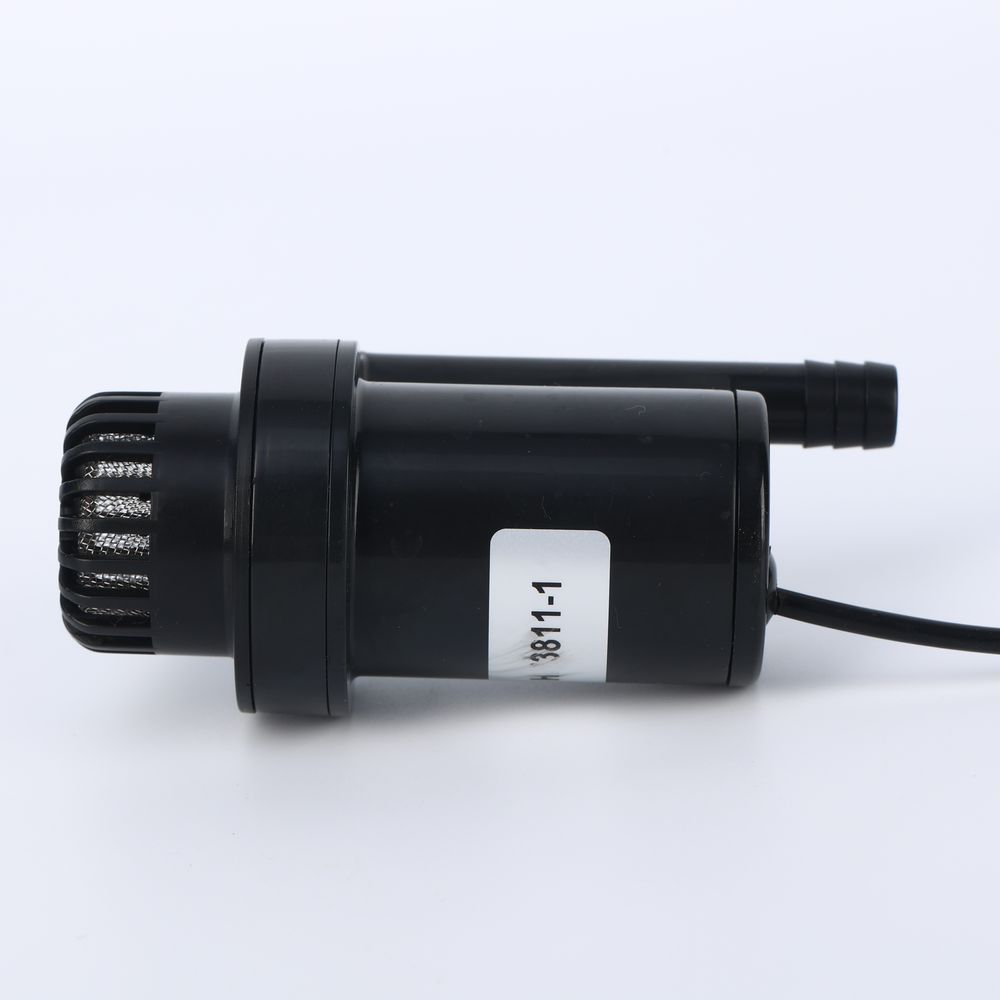
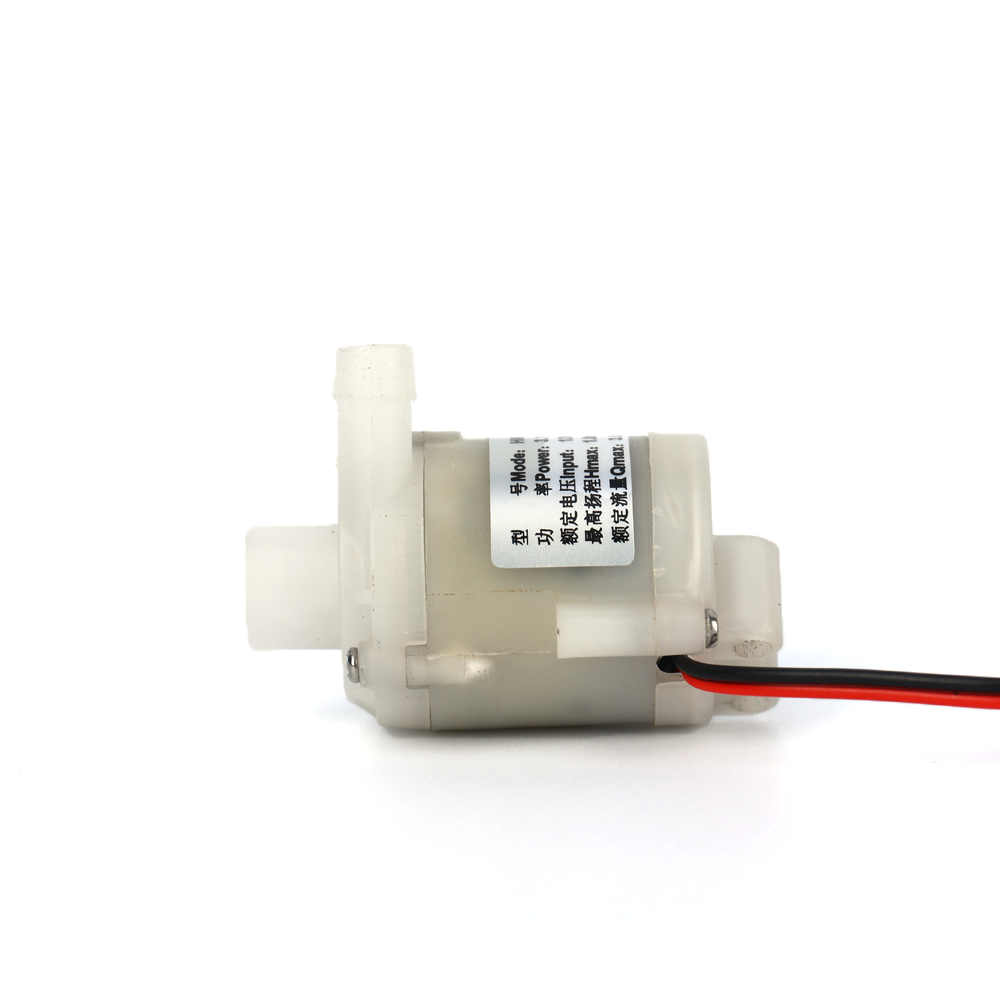
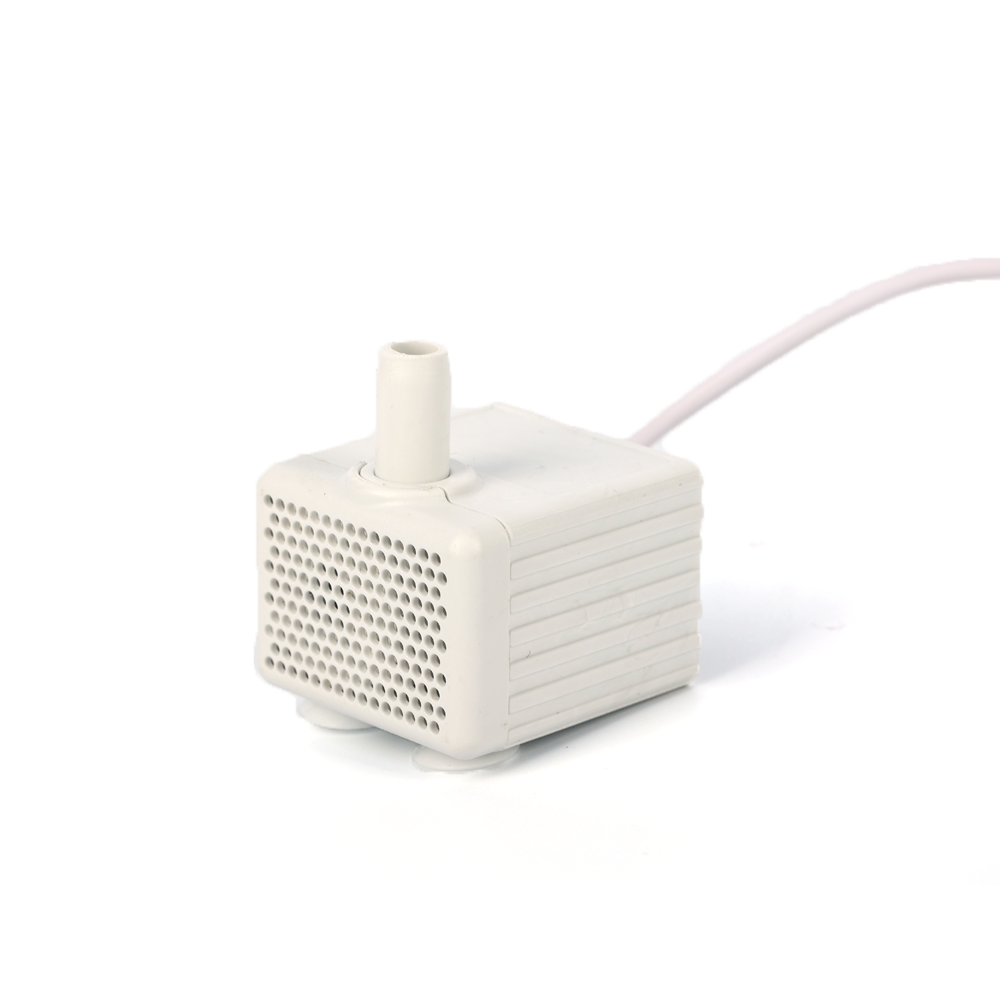
Size is another thing customers care about a lot. Medical devices are getting smaller every year, especially portable or bedside units. A small dc water pump fits better into tight housings and keeps internal layouts clean. It also helps engineers keep the overall device lightweight, which is important for equipment that needs to be moved or carried often.
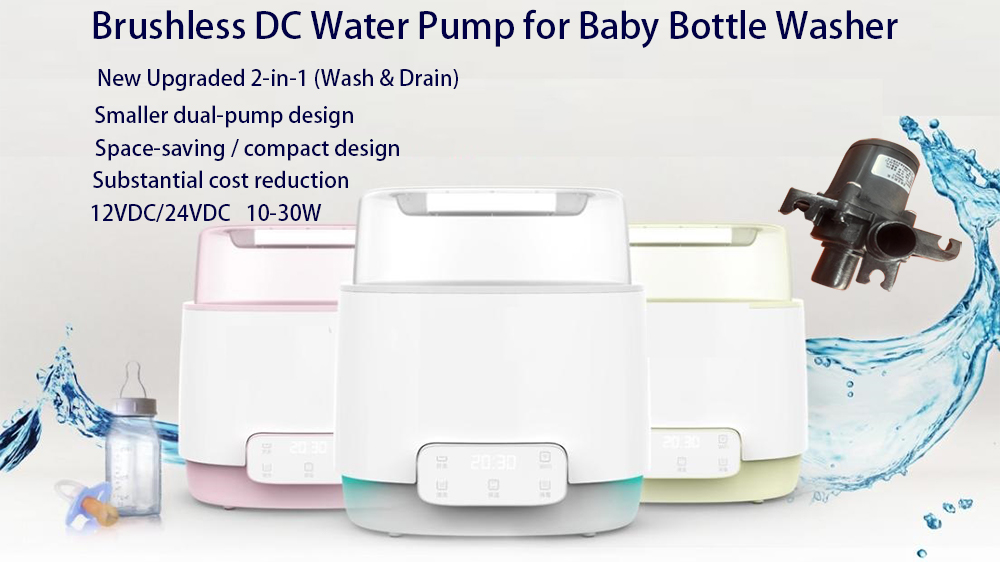
Voltage choice depends on the system design. Some devices run on lower voltage boards, others need more margin for longer operation times. Both 12V and 24V setups are common, but what customers usually ask us is not just voltage. They want to know how the pump behaves after long hours, how it handles warm water, and whether the flow stays the same day after day.
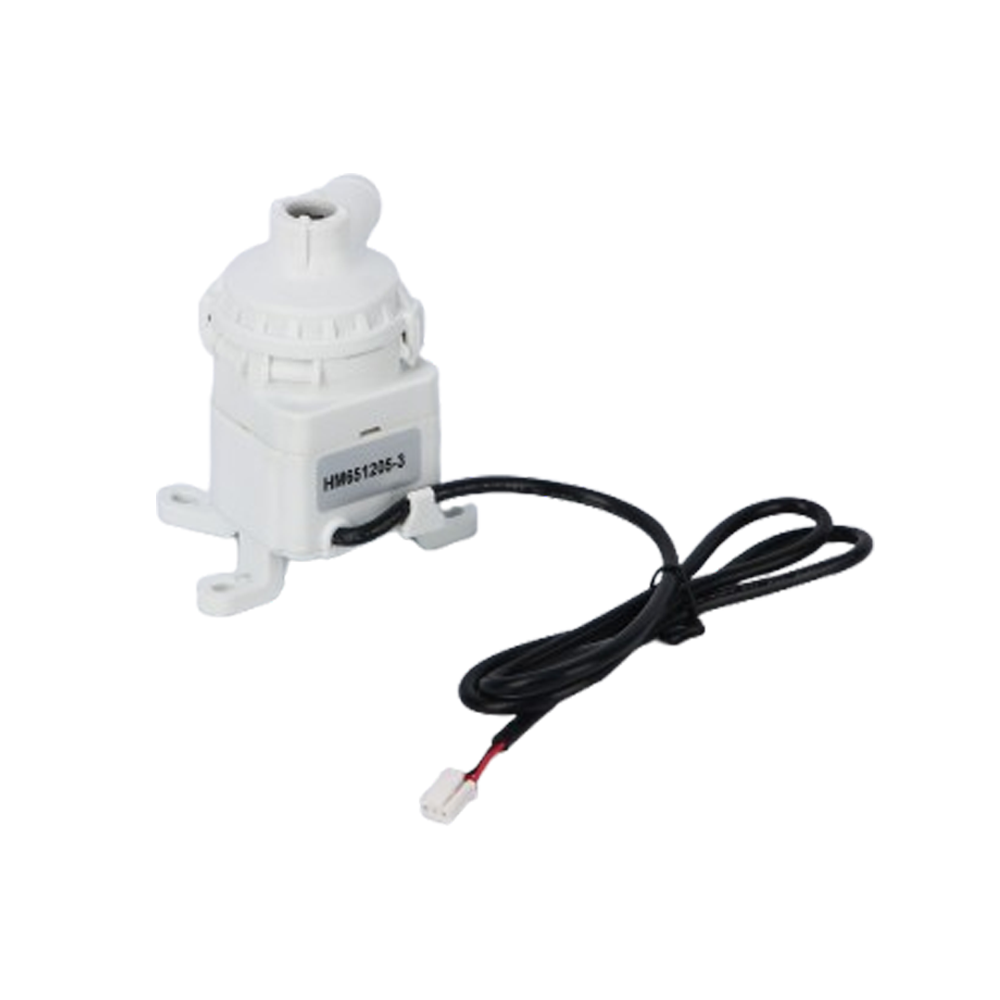
This is where Custom Water Pumps come into play. In medical projects, standard models don’t always work out of the box. Tubing direction, mounting points, noise limits, even cable placement can be different. We usually start by understanding how the device works in real use, then adjust the pump around that, not the other way around.
Most feedback we get from medical clients is straightforward. If the pump runs quietly, stays reliable, and doesn’t cause trouble during testing, it stays in the design. And once it’s approved, the cooperation usually lasts for years.

September 20, 2026